
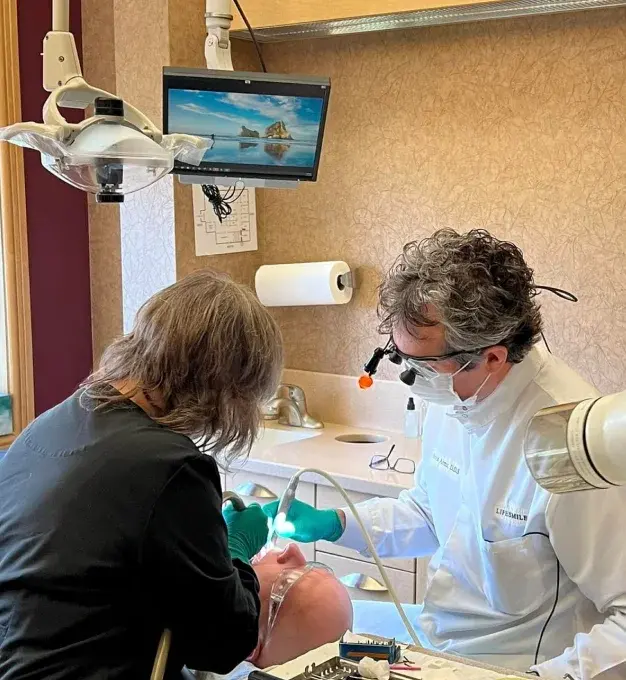
Removing a Problematic Tooth with Care
Keeping natural teeth healthy is an important goal of dental care, but extraction may sometimes be the appropriate option when a tooth is severely damaged, extensively decayed, compromised by infection, or creating problems for surrounding teeth. Removing a tooth that cannot be predictably restored can help address ongoing discomfort, prevent certain complications, and protect the health of nearby teeth and tissues.
LifeSmiles Dentistry provides tooth extractions in Cadillac, MI, with careful attention to evaluation, treatment planning, patient comfort, and clear communication throughout the process. Before recommending removal, the dental team examines the affected tooth and surrounding structures, reviews dental imaging when appropriate, and considers whether restorative treatment may be possible. If extraction is determined to be the appropriate course of care, the treatment plan also considers healing and whether a replacement option, such as a dental implant or bridge, may be appropriate afterward.
Why Tooth Extraction Can Be the Right Call
While removing a tooth is never anyone’s first choice, there are clear reasons it sometimes becomes necessary:
- Eliminates a source of infection that could spread to surrounding teeth or tissue
- Relieves pain caused by severe decay, fracture, or impaction
- Prevents overcrowding that can interfere with orthodontic treatment
- Removes a tooth too damaged to support a filling, crown, or other restoration
- Protects neighboring teeth and gum tissue from further complications
- Opens the door to future restorative options, such as an implant or bridge
When Extraction May Be Recommended
A tooth may need to be removed for several reasons, including a fracture that extends below the gumline, decay too extensive for a filling or root canal to repair, advanced periodontal disease that has loosened the tooth, or a wisdom tooth that is impacted or causing crowding. Baby teeth that fail to loosen on their own may also require extraction to make room for permanent teeth to erupt properly. An exam and X-rays help confirm whether extraction is the most appropriate course of action.
Planning Carefully Before Tooth Removal
Every tooth extraction begins with an evaluation designed to understand the condition and position of the tooth before treatment. The approach may vary depending on the tooth, surrounding bone and tissue, root structure, and whether a simple or more involved extraction is needed. The process generally includes:
Evaluation and Imaging
X-rays are reviewed to assess the tooth’s position and determine the best approach for removal.
Numbing the Area
Local anesthetic is administered to ensure the surrounding area is fully numb before treatment begins.
Loosening the Tooth
The tooth is carefully loosened from its socket using specialized instruments.
Removing the Tooth
Once sufficiently loosened, the tooth is gently extracted from the socket.
Caring for the Socket
The extraction site is cleaned, and gauze is placed to support initial clot formation.
Tips to Heal After Your Extraction
Proper aftercare plays an important role in protecting the extraction site and supporting a smooth recovery. Patients are typically advised to bite gently on gauze for the recommended period and avoid vigorous rinsing, spitting, or using a straw during the initial healing period, as these actions can interfere with the developing blood clot.
Choosing soft foods and avoiding chewing directly over the extraction site can help minimize irritation while the area begins to heal. Mild swelling, tenderness, and discomfort are common after tooth removal and generally improve over the following days. It is also important to follow any instructions regarding activity, oral hygiene, and medications provided after treatment. LifeSmiles Dentistry offers personalized guidance based on the type of extraction performed and can explain when a follow-up visit may be needed, particularly if a dental implant, bridge, or another tooth replacement option is being considered.
Protect Your Oral Health with Timely Care
Persistent tooth pain, extensive damage, swelling, or an infection should be evaluated rather than ignored. When extraction is necessary, careful planning can help protect surrounding structures and support the next stage of dental care. LifeSmiles Dentistry provides tooth extractions in Cadillac, MI, with a focus on clear communication, patient comfort, and appropriate follow-up care.
Frequently Asked Questions
About Tooth Extractions
The area is fully numbed with local anesthetic before the procedure, so patients typically feel pressure rather than pain during an extraction.
Initial healing usually takes about one to two weeks, though the socket can continue healing beneath the surface for several months.
Soft foods like soup, yogurt, mashed potatoes, and smoothies are recommended for the first few days, while hard, crunchy, or spicy foods should be avoided.
Avoiding straws, smoking, and vigorous rinsing for the first few days helps protect the healing clot and reduces the risk of dry socket.
It depends on the tooth’s location and function. Options like an implant, bridge or partial denture can be discussed to fill the gap if needed.
This depends on the extent of damage or infection. A root canal may save a tooth with internal damage, while extraction is considered when the tooth cannot be restored.
Yes. Mild swelling is common and typically peaks within the first day or two before gradually improving over the following days.
Most patients resume regular activities within a day or two, though strenuous exercise is usually avoided for a few days to support proper healing.