
Restore Your Smile After Tooth Loss
Missing teeth can affect more than the appearance of your smile. Gaps may make chewing certain foods difficult, change the way you speak, and allow nearby teeth to shift over time. At LifeSmiles Dentistry, we provide dental bridges in Gladwin, MI, to replace one or more missing teeth with a natural-looking restoration that fits comfortably with your existing smile.
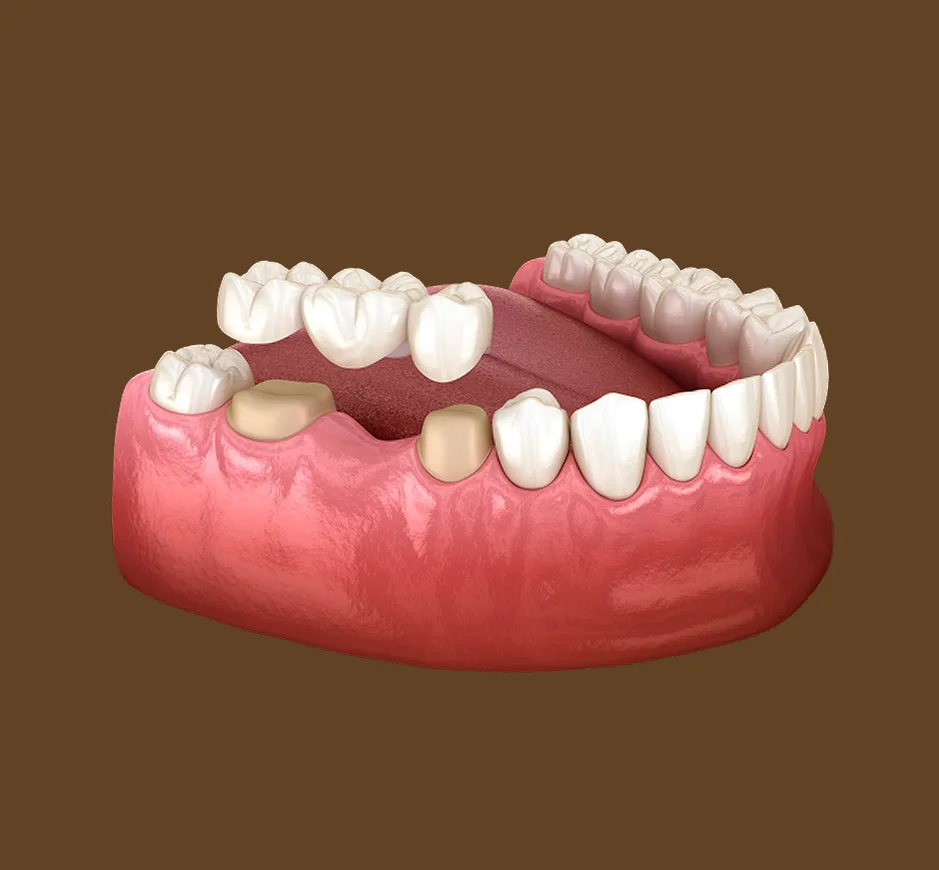
A dental bridge uses an artificial tooth, called a pontic, to fill the space left by a missing tooth. Depending on the type of bridge and your oral health needs, it may be supported by neighboring teeth or dental implants. Our team evaluates your smile, discusses suitable treatment options, and helps you understand what to expect before moving forward.
How a Dental Bridge Helps Increase Everyday Comfort
Replacing missing teeth can make everyday activities feel more comfortable while helping restore the continuity of your smile. A well-planned dental bridge offers several practical benefits.
- Filling a gap can make it easier to bite and chew a wider range of foods.
- Custom-designed replacement teeth are made to complement the color, shape, and proportions of your existing teeth.
- Replacing a missing tooth can help reduce the risk of neighboring teeth drifting into the open space.
- Depending on the location of the missing tooth, a bridge may help with sounds affected by gaps in the teeth.
- A fixed bridge is designed to remain in place during everyday activities rather than being removed routinely.
- Replacing a missing tooth can help restore contact between teeth, although the outcome depends on your bite and overall oral health.
When Is a Dental Bridge Recommended
A dental bridge may be recommended when you have one or more missing teeth and want to restore your smile’s appearance, chewing ability, and function. It can be a suitable option if a gap affects your bite, makes speaking uncomfortable, or causes nearby teeth to shift over time. A traditional bridge may work well when neighboring teeth can provide adequate support, while an implant-supported bridge may be considered for certain cases.
The ideal treatment depends on the number and location of missing teeth, gum health, bite alignment, and supporting structures. Any underlying decay or gum disease should be addressed before treatment begins.
What Happens During Dental Bridge Treatment?
Planning a dental bridge involves more than filling an empty space. Each stage helps ensure that the restoration is designed around your oral health, bite, and smile. Here is what you can generally expect when exploring dental bridge treatment at LifeSmiles Dentistry.
Examine the Missing Tooth and Surrounding Area
The first appointment involves reviewing your dental history and examining the gap, neighboring teeth, gums, and bite. Dental X-rays may be recommended to assess the supporting structures and identify concerns that are not visible during a routine examination.
Determine the Most Suitable Bridge Design
Based on the findings, the team will discuss whether a traditional, cantilever, Maryland, or implant-supported bridge may be appropriate. The recommendation depends on the location of the missing tooth, the condition of nearby teeth, and the amount of support available.
Prepare the Supporting Teeth When Needed
For a traditional dental bridge, the supporting teeth are carefully reshaped to accommodate the crowns that will hold the replacement tooth in place. Other bridge designs may require different preparation, so this step varies according to the selected treatment.
Capture Measurements for a Custom Restoration
Impressions or digital scans may be taken to help create a bridge that fits the space and aligns with your bite. The shade and shape of the replacement tooth are also considered so the finished restoration blends naturally with your smile.
Protect the Area While the Bridge Is Made
If the final bridge is created in a dental laboratory, a temporary restoration may be placed when appropriate. This helps protect prepared teeth and maintain comfort while the permanent bridge is being completed.
Fit and Secure the Finished Bridge
Once the bridge is ready, its fit, appearance, and bite are checked. Adjustments may be made before the restoration is secured according to the treatment plan. The team will also explain how to care for the bridge and keep the surrounding gum tissue clean.
How to Keep a Bridge Strong for Years
A dental bridge depends on healthy supporting teeth and gums to remain stable and functional. Brush twice daily with a soft-bristled toothbrush and fluoride toothpaste, paying close attention to the areas around the bridge. Since ordinary floss may not adequately clean beneath the replacement tooth, use a floss threader, interdental brush, or water flosser to remove trapped food and plaque. These daily habits help reduce the risk of decay, gum disease, and other problems that could affect your restoration.
Regular dental cleanings and examinations also help monitor the bridge’s fit and condition. With consistent home care and professional attention, many dental bridges can last ten years or longer.
Replace Missing Teeth with Personalized Bridge Treatment
At LifeSmiles Dentistry in Gladwin, MI, we are here to help you explore dental bridges as a solution for missing teeth. Our team will evaluate your needs, explain suitable treatment options, and guide you through each step so you can make informed decisions about your smile. Whether you want to improve chewing comfort, restore your bite, or fill a visible gap, we are ready to help. Call us at 989-426-4597 to schedule a consultation and learn how dental bridge treatment may help you smile with greater comfort and confidence.
Frequently Asked Questions
About Dental Bridges
A well-cared-for dental bridge typically lasts 10 to 15 years, and many last longer. Good oral hygiene, daily cleaning beneath the bridge, and regular dental checkups all help extend its lifespan.
Most patients are comfortable throughout treatment. We numb the area before reshaping the anchor teeth, so you should feel pressure but not pain. Mild sensitivity afterward is normal and usually fades within a few days.
A traditional bridge generally takes two to three visits. The first visit prepares your teeth and takes impressions, and a later visit places the final bridge, with a temporary bridge worn in between.
Use a floss threader, interdental brush, or water flosser to clean beneath the replacement tooth every day. Brush twice daily as usual, and keep up with professional cleanings so we can check the area thoroughly.
Yes. Once your bridge is placed and your bite feels natural, most patients return to their normal diet. During the first few days, stick with softer foods and avoid very sticky or hard items that could stress the bridge.
Neighboring teeth can drift into the gap, your bite can shift, and chewing may become uncomfortable. The bone beneath the missing tooth can also gradually shrink, which can complicate future treatment.
Yes. Bridges are custom-made and color-matched to your surrounding teeth. Modern materials such as porcelain reflect light much like natural enamel, so most people will not notice a difference.
Many dental plans offer partial coverage for bridges as a restorative treatment, though benefits vary. Our team can review your plan, explain what is covered, and discuss payment options before treatment begins.