

Rebuild Your Smile With Dental Implant Treatment
Missing teeth can affect more than the appearance of your smile. Gaps may make chewing difficult, change how you speak, and affect the balance of your bite. Dental implants provide a tooth replacement option that uses a small post placed in the jawbone to support a crown, bridge, or denture. Once the implant integrates with the bone and the restoration is attached, it can function much like a natural tooth.
At LifeSmiles Dentistry, we offer dental implant care in Gladwin, MI, to help patients explore solutions for replacing missing teeth. Treatment recommendations depend on your oral health, jawbone condition, number of missing teeth, and long-term goals. Our team can evaluate your needs, explain the stages of implant treatment, and help you understand whether dental implants may be suitable for your smile.
Dental Implant Options for Missing Teeth
Dental implants can support different types of restorations depending on how many teeth are missing and where the gaps are located. The recommended option will depend on your oral health, bone support, and treatment goals.
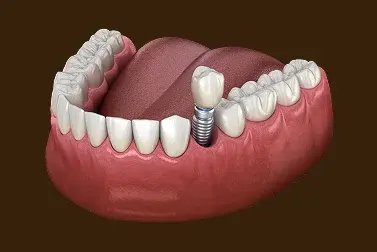
Single-Tooth Dental Implants
When one tooth is missing, an implant can support an individual crown. This option replaces the missing tooth without requiring the adjacent teeth to serve as supports for a traditional bridge.
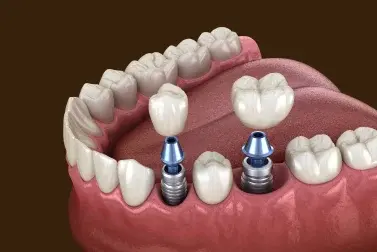
Multiple-Tooth Replacement
If you have lost several teeth, dental implants can anchor a custom restoration that fills the gaps. The exact number and placement of implants is based on each patient’s individual needs.
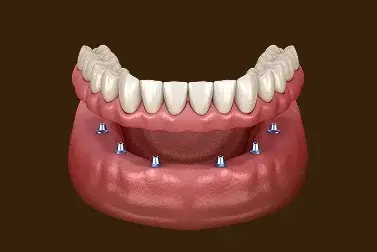
Implant-Supported Dentures
For patients missing many teeth or a full arch, implants can provide additional support for a denture. Depending on the design, the denture may be removable or fixed in place. Implant-supported dentures can offer greater stability than dentures that rest only on the gums.
Benefits of Replacing Missing Teeth With Implants
Dental implants are designed to provide stable support for replacement teeth while helping restore important aspects of everyday oral function. For suitable candidates, they can offer several benefits:
- Implants are anchored in the jawbone, helping support replacement teeth without relying solely on neighboring natural teeth.
- A well-planned implant restoration can make it easier to bite and chew a range of foods.
- Implant crowns, bridges, and dentures can be designed to complement the appearance of your smile.
- The implant transfers biting forces to the jawbone, helping reduce the bone loss associated with missing tooth roots.
- Filling gaps in your smile may help improve speech clarity and make everyday interactions feel more comfortable.
- With proper home care, professional monitoring, and a suitable restoration, dental implants can last for many years.
Your Journey Behind Dental Implant Treatment
Dental implant treatment takes careful planning because the implant must be positioned to support the replacement tooth and work with your bite. The overall timeline varies depending on the condition of your mouth, whether preparatory procedures are needed, and how quickly the implant integrates with the jawbone.
Assess Your Oral Health and Treatment Goals
The process begins with an examination of your teeth, gums, bite, and jawbone. Dental imaging may be recommended to evaluate bone volume and identify the best position for the implant. Your team will also review your medical history and discuss the results you hope to achieve.
Prepare the Mouth if Needed
Before implant placement, some patients need treatment for gum disease, removal of a damaged tooth, or a bone graft to improve support. Not everyone needs preparatory procedures. Recommendations depend on the condition of the affected area and the amount of bone available.
Place the Dental Implant
The implant post is positioned in the jawbone during a planned surgical procedure. Local anesthesia is typically used to numb the area. After placement, the gum tissue is allowed to heal while the implant begins integrating with the surrounding bone.
Allow Time for Healing and Integration
The implant needs time to bond with the jawbone through a process called osseointegration. This creates a stable foundation for the final restoration. Healing time varies by patient and may be affected by bone quality, implant location, and any additional procedures.
Attach the Custom Replacement Tooth
Once the implant is sufficiently integrated and ready for restoration, a connector may be attached to support the replacement tooth. Depending on your treatment plan, the final restoration may be a dental crown, implant-supported bridge, or denture.
Maintain Your New Implant
After restoration, the team will explain how to clean around the implant and protect the surrounding gum tissue. Follow-up visits help monitor the implant, check the fit of the restoration, and identify potential concerns before they progress.
Who May Be a Candidate for Dental Implants?
Dental implants may be suitable for adults who want to replace missing teeth with a stable, fixed solution. Before recommending treatment, LifeSmiles Dentistry evaluates the condition of your mouth, the location of the missing teeth, and how the replacement would fit into your bite.
Your medical history, current medications, and ability to heal are also considered during planning. If additional preparation is needed, such as treating gum disease or rebuilding bone support, these steps may help make implant treatment possible.
Rebuild Your Smile With Implant Care
LifeSmiles Dentistry in Gladwin, MI, helps patients explore dental implants for missing teeth. Our team evaluates your oral health, explains suitable treatment options, and guides you through the next steps. Call us at 989-426-4597 to schedule a consultation and learn whether dental implants may help restore your smile.
Frequently Asked Questions
About Dental Implants
Dental implants are small posts, commonly made from titanium or other biocompatible materials, that are placed in the jawbone to replace missing tooth roots. They can support individual crowns, bridges, or dentures, depending on how many teeth need to be replaced.
The cost of dental implants depends on the number of implants needed, the type of restoration, the condition of your jawbone, and whether procedures such as bone grafting or tooth extraction are required. A consultation allows the team to evaluate your needs and explain the expected treatment costs.
Dental implant placement is typically performed with local anesthesia to numb the treatment area. Some soreness, swelling, or tenderness may occur afterward as the tissues heal. Your care team will provide instructions to help manage recovery and explain when to seek follow-up care.
Dental implant treatment may take several months from initial planning to final restoration. The timeline depends on healing, how quickly the implant integrates with the jawbone, and whether preparatory procedures are needed. Some patients may qualify for temporary teeth during part of the process.
Dental implants can last for many years, and the implant itself may remain functional for decades. Longevity depends on factors such as oral hygiene, gum and bone health, smoking habits, bite forces, and regular professional monitoring. The crown or other restoration may need repair or replacement over time.
Yes. Dental implants can support a bridge or denture to replace several missing teeth. For patients missing a full arch, an implant-supported full-arch restoration may also be an option. The appropriate design depends on the amount of available bone, oral health, and treatment goals.
Age alone does not determine whether someone can receive dental implants. Overall health, jawbone development, gum condition, medications, and the ability to heal are more important considerations. An examination can help determine whether implant treatment is appropriate for your circumstances.
Care for dental implants by brushing twice daily, cleaning between teeth and around the implant, and attending regular dental visits. Although implants cannot develop cavities, plaque can irritate the surrounding gums and contribute to bone loss. Professional monitoring helps identify problems and protect the implant restoration.