
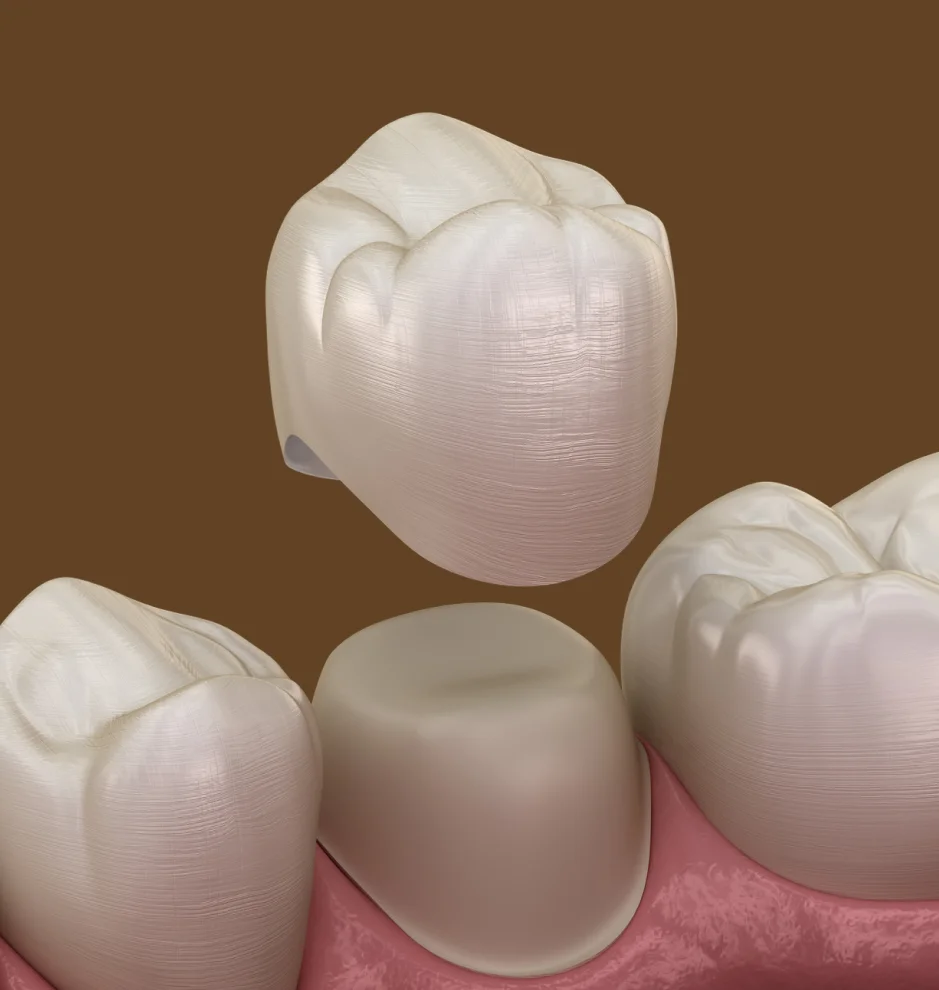
Strengthen and Protect Damaged Teeth With Dental Crowns
A cracked, weakened, or severely worn tooth can affect how you chew, speak, and feel about your smile. Dental crowns offer a reliable restorative solution by covering the visible portion of a tooth with a custom-made cap that helps restore its shape, strength, and appearance. At LifeSmiles Dentistry, we provide dental crowns in Gladwin, MI, to help patients preserve damaged teeth and regain everyday comfort.
A tooth crown may be recommended after extensive decay, a fracture, a large filling, or root canal treatment. Crowns can also restore the appearance of certain misshapen or discolored teeth and serve as the visible portion of some dental implant restorations. Treatment is tailored to the condition of the tooth, your bite, and your overall oral health.
Benefits of Restoring a Tooth With a Crown
When a tooth has lost substantial structure, a filling alone may not provide the coverage or support it needs. A custom dental crown covers the prepared tooth to help protect it while restoring its function and appearance.
- A crown covers much of the visible tooth, helping protect the remaining structure from everyday chewing forces.
- Rebuilding a damaged tooth can make it easier to chew comfortably when the restoration is properly fitted.
- Crowns can be customized to complement the shade, shape, and size of surrounding teeth.
- Some teeth treated with root canal therapy need a crown to help protect them from further damage, depending on how much natural structure remains.
- A crown can restore a tooth that has become worn, misshapen, or damaged.
- With proper oral hygiene and regular monitoring, a crown can remain functional for many years.
Signs a Tooth Needs Crown Protection
A dental crown may be recommended when a tooth is weakened, damaged, or needs additional protection to maintain its strength and function. Common signs include a cracked or fractured tooth, extensive decay, a large filling that weakens the remaining structure, or persistent sensitivity when eating or drinking. You may also need a crown after root canal treatment to help protect the tooth from further damage.
Crowns can also restore teeth that are severely worn, misshapen, or damaged by injury. A dental examination can help determine whether a crown is appropriate based on the extent of damage, remaining tooth structure, and overall oral health.
From Tooth Preparation to a Custom-Fitted Crown
Dental crown treatment is carefully planned to ensure the restoration fits the tooth, aligns with your bite, and supports comfortable function. The exact steps and number of appointments depend on the tooth’s condition, the crown material, and the method used to create the restoration.
Examine the Tooth and Identify the Problem
The process begins with an evaluation of the affected tooth, surrounding gums, and bite. Dental X-rays may be taken to assess the tooth’s roots and supporting structures. If decay, infection, or gum disease is present, it may need to be addressed before crown placement.
Select the Right Crown Material
The appropriate crown material depends on the tooth’s location, the amount of pressure it experiences, aesthetic preferences, and clinical needs. The team will explain the available options and help you understand the considerations involved in selecting a suitable restoration.
Prepare the Tooth for Coverage
When a conventional crown is planned, the tooth is reshaped to create space for the restoration. Local anesthesia is generally used when needed to help maintain comfort. Any decay or damaged structure requiring treatment is addressed as part of the preparation.
Record the Tooth’s Shape and Bite
An impression or digital scan may be used to capture the prepared tooth and surrounding teeth. These records help guide the creation of a crown that fits the space and works with your natural bite. The appropriate shade is also selected when appearance is a consideration.
Protect the Tooth While the Crown Is Made
If the permanent crown will be fabricated outside the office, a temporary crown may be placed when appropriate. It helps protect the prepared tooth and maintain function until the final restoration is ready. Follow the care instructions provided for the temporary crown.
Fit and Secure the Permanent Crown
At the placement appointment, the crown is checked for fit, appearance, and bite alignment. Any necessary adjustments are made before it is secured. The team will explain how to clean around the crown and what signs may indicate that it needs attention.
What to Expect After Getting a Dental Crown
After getting a dental crown, you may notice mild sensitivity to hot or cold temperatures, tenderness around the treated tooth, or slight gum discomfort. These effects are often temporary and should gradually improve as your mouth adjusts to the restoration. Following the care instructions provided can help support a comfortable recovery.
During the first few days, avoid chewing hard or sticky foods if the area feels tender, and continue brushing gently and flossing around the crown. Contact LifeSmiles Dentistry if discomfort persists or worsens, your bite feels uneven, or the crown becomes loose. Prompt attention can help identify issues early and keep your restored tooth functioning comfortably.
Rebuild Your Smile With Confidence
At LifeSmiles Dentistry in Gladwin, MI, our team is here to help patients protect and restore damaged teeth with care that is thoughtful and personal. We will explain every step, answer your questions, and create a crown that suits your smile. Call us at 989-426-4597 to schedule a visit, and let us help you get back to chewing and smiling with confidence.
Frequently Asked Questions
About Dental Crowns
Most dental crowns last 10 to 15 years, and many last longer. Lifespan depends on the material, where the tooth sits, your oral hygiene, and habits such as grinding or chewing hard objects.
The tooth and surrounding area are numbed before treatment, so you should feel pressure rather than pain. Mild sensitivity to hot or cold after the appointment is common and typically settles within a few days.
Most crowns take two visits. First, we prepare the tooth, take impressions, and place a temporary crown. At the second, we fit and bond your custom permanent crown.
A crown can loosen or chip, though it is uncommon. Chewing very hard foods, grinding, or decay at the edge of the crown can contribute. If a crown comes off, call our office promptly and keep it safe.
Yes. The crown itself cannot decay, but the natural tooth underneath, especially near the gumline, can. Brushing, flossing, and regular checkups are essential for keeping the tooth healthy beneath the crown.
A filling repairs a small area of damage, while a crown covers the whole visible part of the tooth. Crowns are recommended when a tooth is too weak or damaged for a filling alone.
Yes. Crowns are color-matched and shaped to blend with neighboring teeth. Porcelain and ceramic materials, in particular, mimic the light-reflecting quality of natural enamel.
Often, yes. A tooth that has had a root canal can become brittle over time, so a crown is commonly recommended, especially for back teeth, to protect it from cracking under chewing forces.