
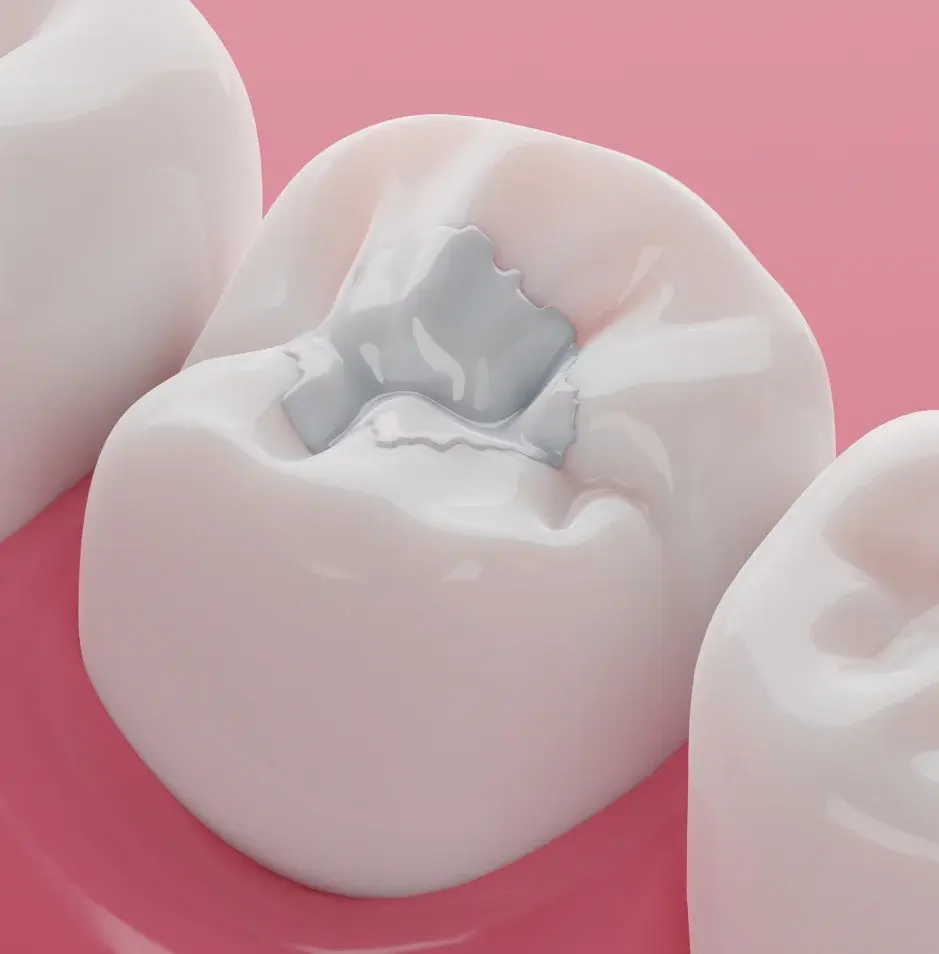
Repair Cavities with Natural-Looking Composite Fillings
A cavity does not have to leave a visible mark on your smile. Composite dental fillings use a tooth-colored resin material to repair areas affected by decay and certain types of minor tooth damage. Carefully matched to the surrounding teeth, these restorations help rebuild the affected area while maintaining a natural appearance.
At LifeSmiles Dentistry, we provide personalized restorative dental care for patients in Gladwin, MI, who need treatment for cavities, small chips, or other suitable forms of tooth damage. Our team evaluates the condition of the affected tooth, explains the recommended treatment, and helps you understand how a composite filling can restore its shape and function. Addressing decay early can also help prevent the damage from progressing and reduce the likelihood of needing more extensive treatment.
Why Choose Tooth-Colored Composite Fillings?
Composite fillings offer a practical way to repair many cavities while keeping the restoration subtle. Because the resin can be matched to your natural tooth shade, it is particularly useful for teeth that are visible when you smile or speak.
- Natural-looking appearance: The material is selected to blend with your surrounding teeth rather than create a noticeable metallic spot.
- Conservative tooth repair: Composite resin can often be bonded to the tooth while preserving more healthy structure than some traditional restorative approaches.
- Reliable cavity treatment: A properly placed filling seals the treated area and restores the tooth’s shape after decay is removed.
- Versatility for minor damage: Depending on the location and extent of the damage, composite resin may also repair small chips, worn areas, and certain minor fractures.
- A bonded restoration: The resin adheres to prepared tooth structure, helping support the repaired area.
- Usually completed in one visit: Many straightforward composite fillings can be placed during a single appointment.
- Support for everyday function: A well-shaped filling helps restore the tooth’s surface for biting and chewing.
When Is a Composite Filling the Right Choice?
Composite fillings can repair small to moderate cavities, minor chips, worn tooth surfaces, and damaged existing fillings. They are also useful for visible cavities where a natural-looking restoration is preferred. An examination helps determine whether composite resin can restore the tooth effectively or if more extensive treatment is needed.
Because decay may develop without pain or sensitivity, routine dental examinations are important for early detection. If decay reaches the tooth’s pulp, a filling alone may not be sufficient, and root canal treatment or another procedure may be recommended.
How a Composite Filling Restores Your Tooth
Placing a composite filling involves removing damaged tissue, preparing the tooth, and carefully shaping the resin to restore its natural contours. Each step helps the restoration fit comfortably and function properly.
Examine the Tooth
The team checks the affected tooth for decay, cracks, sensitivity, and other signs of damage. Dental X-rays may be recommended when needed to assess areas that are not easily visible during the examination.
Prepare the Area
The tooth is cleaned, and local anesthesia may be used to keep you comfortable during treatment. The amount of preparation depends on the extent and location of the cavity.
Remove the Decay
Decayed tooth structure is carefully removed while preserving healthy tissue whenever possible. The prepared area is then cleaned so the composite material can bond appropriately.
Apply the Composite Resin
The tooth-colored resin is placed in the prepared area, often in small increments. A special curing light hardens each layer, allowing the material to build up and restore the missing tooth structure.
Shape and Polish the Filling
The restoration is shaped to follow the tooth’s natural contours and polished to create a smooth surface. Careful shaping helps the filling blend with the surrounding tooth and reduces areas where food or plaque may collect.
Check Your Bite
The team checks how your upper and lower teeth meet when you bite down. If the filling feels too high or interferes with your bite, adjustments can be made to improve comfort and function.
Review Home Care
Before you leave, you can discuss caring for the restored tooth and protecting the filling over time. The team can also explain when to return for routine examinations and what symptoms should prompt an earlier visit.
How to Keep Your Composite Fillings in Good Condition
Composite fillings can wear, stain, or become damaged over time, but proper care helps maintain their appearance and function. Brush twice daily with fluoride toothpaste, floss daily, and avoid chewing ice or hard candy. Limiting stain-causing foods and drinks can also help preserve their natural look. If you grind or clench your teeth, a recommended night guard may reduce excess pressure on fillings.
Attend regular dental examinations so the team can check for wear, damage, or new decay. Contact the office if a filling feels rough, becomes loose, chips, or causes discomfort when biting. A filling’s lifespan depends on its size, location, bite forces, and daily habits. Prompt attention to changes can help prevent more extensive treatment.
Protect Your Smile with Timely Cavity Treatment
A cavity or small chip does not have to compromise your comfort or confidence. LifeSmiles Dentistry is here to help you understand the condition of your tooth, explore whether a composite filling is suitable, and restore damaged areas with care tailored to your needs. If you need composite fillings in Gladwin, MI, contact us to arrange an examination. Get in touch with us at 989-426-4597 to discuss your concerns and take the next step toward a healthier, more comfortable smile.
Frequently Asked Questions
About Composite Fillings
A composite filling is a tooth-colored restoration made from a resin material combined with fine filler particles. It is used to repair cavities and certain types of minor tooth damage. The material is bonded to the prepared tooth and shaped to restore its appearance and function.
Composite fillings are often a suitable choice for visible teeth because the material can be matched to the natural tooth shade. Whether composite resin is the best option depends on the size and location of the cavity, the tooth’s condition, and the forces placed on it.
Composite fillings can last many years, although their lifespan varies. The size and location of the restoration, chewing pressure, oral hygiene, and habits such as teeth grinding can all affect durability. Regular dental checkups help identify wear or damage before it worsens.
Local anesthesia may be used to keep you comfortable while the tooth is treated. You may experience mild sensitivity or tenderness afterward, but this generally improves. Contact the office if discomfort persists, worsens, or occurs when biting, as the filling or tooth may need further evaluation.
Yes, composite resin can often repair small chips and minor fractures by rebuilding the missing tooth structure. Larger breaks may require a crown or another restorative option. An examination helps determine whether a filling will provide adequate strength and protection.
Yes. Although composite resin is designed to blend with natural teeth, its surface may discolor over time, particularly with frequent exposure to coffee, tea, tobacco, and other staining substances. Good oral hygiene and routine dental care can help maintain its appearance.
Yes. A composite filling may need repair or replacement if it becomes damaged, worn, loose, or affected by decay around its edges. The team will evaluate the existing restoration and surrounding tooth before determining whether replacement or another treatment is necessary.
Possible signs include tooth sensitivity, pain when chewing, visible pits or dark spots, and food getting trapped in a particular area. However, cavities may develop without noticeable symptoms. Regular dental examinations can help identify decay early and determine whether a composite filling is appropriate.