
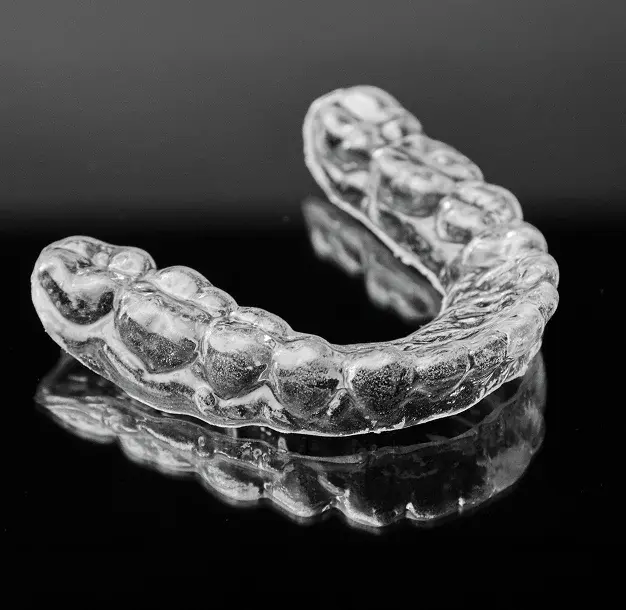
Protect Your Teeth While You Sleep
Nighttime teeth grinding, also called bruxism, can go unnoticed until you experience morning jaw soreness, headaches, tooth sensitivity, or visible tooth wear. Repeated clenching and grinding can place stress on your teeth, dental restorations, and jaw muscles, potentially leading to damage and discomfort over time.
At LifeSmiles Dentistry in Gladwin, MI, custom night guards are designed to fit your bite and create a protective barrier between your upper and lower teeth. Although a night guard may not stop grinding itself, it can help reduce tooth-to-tooth contact and limit related damage. If you notice symptoms of nighttime grinding, our team can assess your needs and help determine whether a custom night guard is right for you.
How a Custom Night Guard Helps Protect Your Smile
A custom night guard helps protect your teeth from the effects of nighttime grinding and clenching. Creating a cushioning barrier between your teeth, it can reduce tooth wear, protect dental restorations, and help manage pressure on your jaw muscles.
- Minimize direct contact between teeth to help protect enamel from repeated grinding.
- Help reduce stress on crowns, fillings, veneers, and other existing dental work.
- Help manage some of the strain associated with nighttime clenching and grinding.
- Benefit from an appliance designed to fit your teeth and bite for improved comfort and stability.
When Should You Consider a Night Guard?
Nighttime teeth grinding often happens without you realizing it, making early signs easy to miss. Worn, chipped, or cracked teeth, unexplained sensitivity, and damage to crowns or fillings may indicate repeated grinding or clenching.
You may also benefit from a night guard evaluation if you wake with jaw soreness, muscle fatigue, or frequent morning headaches around your temples. If someone hears you grinding your teeth during sleep or you regularly clench your jaw during stressful periods, a dental evaluation can help determine whether a custom night guard is appropriate.
How We Create Your Custom Night Guard
Getting a night guard involves more than selecting an appliance off the shelf. The fit, thickness, and design need to be appropriate for your teeth, bite, and grinding patterns. The process generally includes the following steps.
Discuss Your Symptoms and Grinding Habits
The visit begins with a conversation about jaw discomfort, morning headaches, tooth sensitivity, and any grinding or clenching you have noticed. Information about previous dental work and existing oral health concerns can also help guide the evaluation.
Examine Your Teeth and Bite
The team checks for signs of enamel wear, chips, cracks, and stress on existing restorations. Your bite and jaw comfort may also be evaluated to help determine whether a night guard could provide useful protection.
Record the Shape of Your Teeth
If a custom night guard is recommended, impressions or a digital scan may be used to capture the shape of your teeth. These records help create an appliance designed to fit your mouth rather than relying on a generic size.
Have Your Night Guard Made
The dental records are used to fabricate a custom appliance. Its design depends on your clinical needs and the type of protection recommended for your grinding or clenching habits.
Check the Fit and Comfort
Once the night guard is ready, the fit and bite are checked. Adjustments may be needed to improve comfort, stability, and the way the appliance rests against your teeth.
Learn How to Wear and Care for It
Before using your night guard regularly, you will receive guidance on wearing, cleaning, storing, and maintaining the appliance. Follow-up visits can help identify wear or fit changes and determine whether adjustments or replacement are needed.
Keeping Your Night Guard Clean and Effective
Regular cleaning helps keep your night guard hygienic and comfortable. After each use, rinse it with cool or lukewarm water and clean it according to the dentist’s instructions. Avoid hot water, which can distort its shape. Allow the appliance to dry before storing it in a clean, ventilated case. These habits help prevent debris buildup and maintain the guard’s condition.
Check your night guard regularly for cracks, rough edges, thinning areas, or changes in fit. Bring it to dental appointments so the team can assess its condition and effectiveness. Since night guards can wear down over time, replacing a damaged or poorly fitting appliance helps maintain protection against grinding-related tooth damage.
Get Personalized Protection for Nighttime Grinding
Nighttime clenching and grinding can affect your teeth gradually, even when you do not notice the habit itself. If you are waking up with jaw soreness, experiencing unexplained tooth wear, or concerned about damage to dental restorations, the team can help you understand your options. Call us at 989-426-4597 to discuss custom night guards or schedule an appointment with LifeSmiles Dentistry.
Frequently Asked Questions
About Night Guards
A night guard is a dental appliance worn over the teeth during sleep. It creates a protective barrier between the upper and lower teeth, helping reduce direct contact and limit damage caused by grinding or clenching. A custom night guard is designed around the patient’s teeth and bite.
Signs that you may benefit from a night guard include worn or chipped teeth, morning jaw soreness, unexplained tooth sensitivity, frequent morning headaches, or reports of grinding during sleep. A dental examination can help identify signs of bruxism and determine whether a night guard is appropriate.
Custom night guards are made to fit the individual’s teeth and bite, which can improve stability and comfort. Store-bought guards vary in fit and design. The most appropriate option depends on your symptoms, oral health, grinding severity, and dental recommendations.
A night guard generally does not eliminate the habit of grinding or clenching. Instead, it helps protect the teeth from the effects of repeated contact. If grinding is associated with stress, sleep issues, medications, or other factors, additional evaluation may be useful.
A night guard may help reduce tooth contact and some of the strain associated with nighttime clenching. However, jaw pain and headaches can have multiple causes, and a night guard does not relieve every type of discomfort. An evaluation can help determine whether grinding may be contributing to your symptoms.
The lifespan of a custom night guard varies depending on the material, fit, and severity of grinding. People who clench forcefully may wear through an appliance more quickly. Regular dental visits help identify damage and determine when an adjustment or replacement is necessary.
Rinse your night guard after each use and clean it according to the instructions for your specific appliance. Avoid hot water because it may change the fit. Allow the guard to dry before storing it in a clean, ventilated case, and inspect it regularly for cracks or wear.
LifeSmiles Dentistry is located at 230 East Cedar Avenue, Gladwin, MI 48624. Contact the office to discuss symptoms of nighttime grinding, arrange an evaluation, and find out whether a custom night guard may help protect your teeth.