
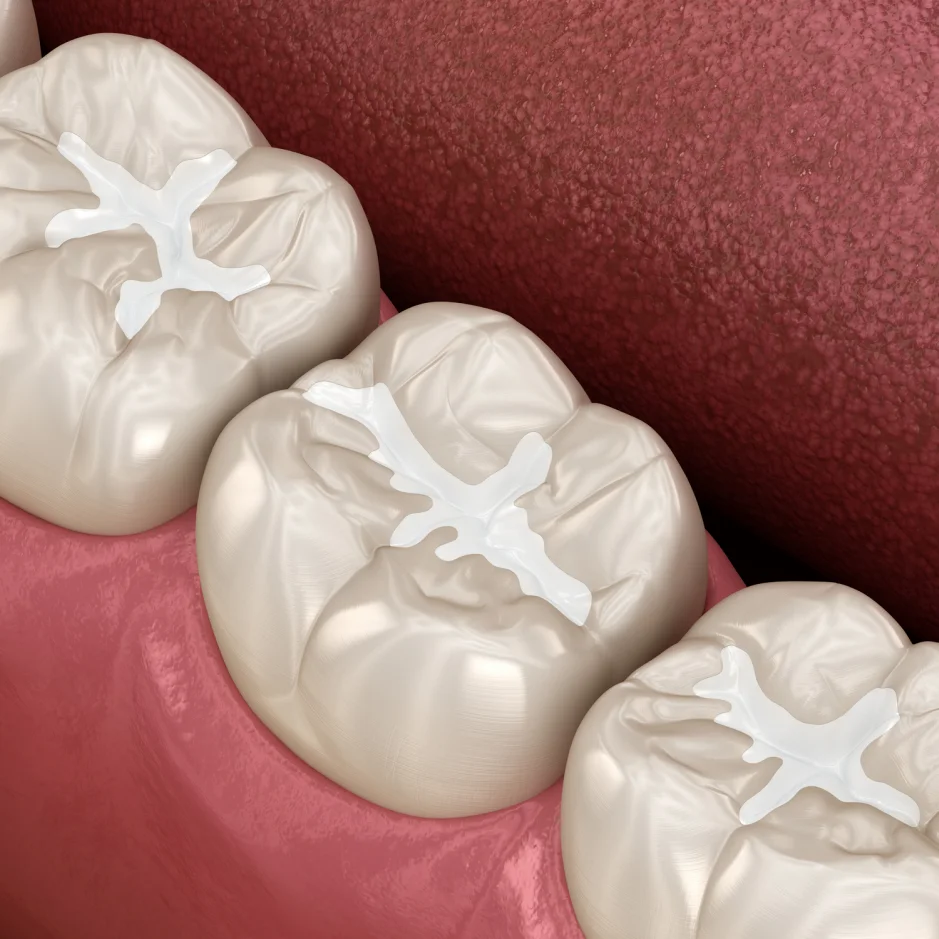
Protect Cavity-Prone Teeth with Dental Sealants
Molars do much of the work when you chew, but their uneven surfaces can make them difficult to clean thoroughly. Tiny pits and narrow grooves trap food particles and bacteria, allowing plaque to accumulate even when you brush regularly. Dental sealants at LifeSmiles Dentistry in Gladwin, MI, provide an added layer of protection by covering these vulnerable areas with a thin, protective coating.
Once applied, the sealant creates a smoother surface that is easier to keep clean during daily brushing. This additional barrier helps reduce the risk of cavities, particularly in children and teenagers whose permanent molars are still relatively new. Combined with regular dental cleanings, exams, and good oral hygiene habits, sealants can help protect teeth and support long-term oral health.
How Dental Sealants Help Prevent Tooth Decay
Dental sealants protect the chewing surfaces of molars by covering the deep grooves where plaque and food particles can collect. This preventive treatment creates a smoother surface, making teeth easier to clean and helping lower the risk of decay.
Here’s how dental sealants help:
- Cover deep pits and grooves where debris can become trapped.
- Create a protective barrier that helps prevent decay from developing in vulnerable areas.
- Smooth the chewing surfaces so daily brushing can remove debris more effectively.
- Help safeguard children’s and teenagers’ permanent back teeth during cavity-prone years.
- Work alongside regular cleanings, dental exams, fluoride treatments when recommended, and good home hygiene habits.
Who Can Benefit from Dental Sealants?
Dental sealants are commonly recommended for children and teenagers when their permanent molars erupt, as deep grooves can trap food and bacteria. Adults with cavity-prone molars may also benefit if their teeth are suitable for treatment. Sealants can be especially helpful for patients with a history of cavities or those seeking additional protection alongside regular brushing, flossing, and fluoride use. A dental evaluation at LifeSmiles Dentistry helps determine whether sealants are appropriate based on your teeth and overall oral health.
What Happens During Dental Sealant Application?
Dental sealant placement is typically straightforward and comfortable. The process focuses on preparing the tooth surface so the protective material can bond securely to the enamel. Here is what patients can generally expect during a sealant appointment.
Examine the Teeth for Sealant Placement
The team evaluates the chewing surfaces of the molars and premolars to identify deep grooves and other areas that may benefit from protection. Each tooth is checked for signs of decay or existing dental work that could affect whether a sealant is appropriate.
Clean the Selected Tooth Surfaces
The teeth being treated are cleaned to remove plaque and debris. This helps prepare the enamel for the sealant and supports a good bond between the protective coating and the tooth surface.
Prepare the Enamel
A conditioning solution may be applied briefly to the chewing surface to help the sealant adhere. The tooth is then rinsed and dried according to the product’s instructions.
Apply the Protective Coating
The dental sealant material is placed into the pits and grooves of the selected tooth. The coating flows across the surface to cover the areas where food and plaque could otherwise collect.
Harden and Check the Sealant
A curing light may be used to harden the material, depending on the sealant product. The team then checks the coverage and bite to make sure the coating is properly placed and does not interfere with comfortable chewing.
Tips to Protect Dental Sealants After Treatment
Dental sealants provide lasting protection, but they can gradually wear down or occasionally chip with normal chewing. Regular dental visits help ensure the coating remains intact and identify areas that may need repair or reapplication. Maintaining good oral hygiene is equally important for protecting your teeth after treatment.
Brush twice daily with fluoride toothpaste and floss every day to remove plaque from between teeth and along the gumline. Limit frequent sugary snacks and drinks to reduce your risk of tooth decay. Keep up with routine dental cleanings and exams so the team can monitor your sealants. If a treated tooth feels different or a sealant appears damaged, contact your dental office for an evaluation.
Help Your Teeth Stay Cavity-Free
Dental sealants can help protect cavity-prone teeth and support long-term oral health. LifeSmiles Dentistry in Gladwin, MI, is here to help you explore whether sealants are right for you or your child. Call us at 989-426-4597 to learn more about dental sealants or schedule a preventive dental appointment with our team.
Frequently Asked Questions
About Dental Sealants
Dental sealants are thin protective coatings placed over the chewing surfaces of back teeth. They cover pits and grooves where food and plaque can collect, helping reduce the risk of cavities in those areas. Sealants work alongside fluoride, brushing, and flossing as part of a preventive dental care routine.
Children often benefit from sealants when their first and second permanent molars erupt, commonly around ages 6 and 12, respectively. The timing depends on when the teeth appear and whether they are suitable for treatment. A dental exam can help determine the right time for placement.
Yes. Adults may benefit from dental sealants if they have deep grooves in their back teeth and the surfaces are free of decay or restorations that would make sealant placement unsuitable. A dental evaluation can determine whether sealants would provide useful protection.
Dental sealant placement is generally painless and does not usually require injections or drilling. The process involves cleaning and preparing the tooth before applying the coating. Most patients can complete the procedure comfortably during a routine preventive appointment.
Dental sealants can protect teeth for several years, but their lifespan varies depending on chewing forces, wear, and the condition of the coating. During regular dental checkups, the team can examine the sealants and recommend repair or replacement if needed.
No. Dental sealants help protect the pits and grooves of treated teeth, but they do not cover every tooth surface. Cavities can still develop between teeth or in areas without sealants. Brushing with fluoride toothpaste, flossing daily, limiting frequent sugar exposure, and attending dental checkups remain important.
Sealants are generally intended for teeth without established decay in the areas being treated. If a tooth has a cavity, it may need restorative treatment instead. A dental examination helps identify whether a tooth is suitable for a sealant or requires another approach.
LifeSmiles Dentistry offers preventive dental care at 230 East Cedar Avenue, Gladwin, MI 48624. Contact the office to discuss dental sealants for children or adults and find out whether this preventive treatment may be suitable for your smile.